Jesse Hurd, PhD

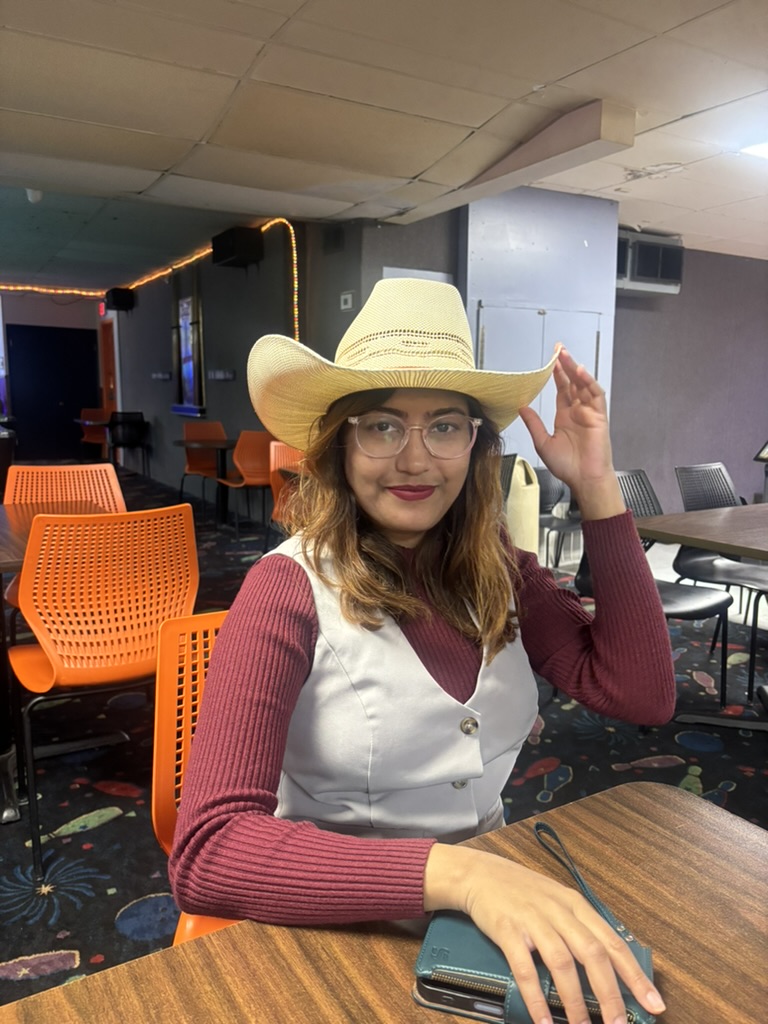
In Fall 2021 when Jesse joined the lab to pursue her MS I was already starting to get a little worried about accepting so many students in such a short time (you’ve already read about Luberson and Sabiha to started the summer before). So I was excited to take on an MS student and have someone graduate before I went up for tenure. Well I was pleasantly surprised when about a month in to her MS, Jesse decided she would rather do a PhD since she was enjoying research so much. So here I was with four PhD students in a lab that was only 1.5 years old.
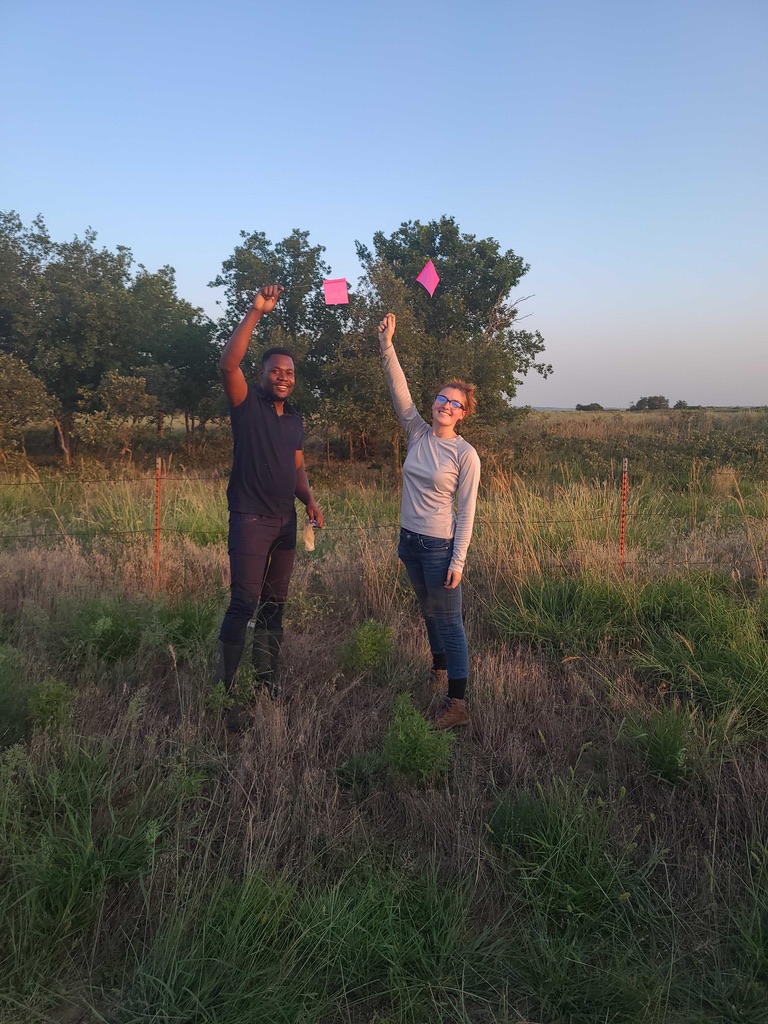
The amazing thing about Jesse is that she jumped in with both feet and head first (if that’s possible) to work on every project she was interested in. Starting out working on auditory projects, she was able to contribute to two papers on hearing in our new prairie vole colony. One characterizing how they hear: https://pubs.aip.org/asa/jasa/article/155/1/555/3061584. The other comparing how wild caught voles compared to our lab-reared colony https://journals.plos.org/plosone/article?id=10.1371/journal.pone.0335120
Very quickly though it also became clear that Jesse’s background in reproduction was going to be an important part of her dissertation work. While working with the voles she decided to take a gander at their testes and noticed that the paired animals had significantly larger testes than naive males. This quickly morphed into her entire dissertation which she published in Hormones and Behavior: https://www.sciencedirect.com/science/article/pii/S0018506X25001059?casa_token=y52N4RvlQWAAAAAA:zlYRpVphgtBIRdJBdQZU4wiAO51a9qJwgKLzI_pCQYjwLWJh83XuD_sJY3-vw9PXzqYjV5RNPEY. She hopefully still has two more papers that will come out related to this work – one in collaboration with SRTP vet student Kate Watts.

Lastly she has also taken on many side projects including estrogen-depletion and supplementation on behavior in mice, and helping everyone in the lab on their projects. I know all of her undergrads have always appreciated her dedication to their training. In addition she recruited many undergrads to the lab with her sensational teaching abilities through her TAship when she wasn’t supported by her NIH G-Rise fellowship (which was unfortunately canceled with other government science cuts).
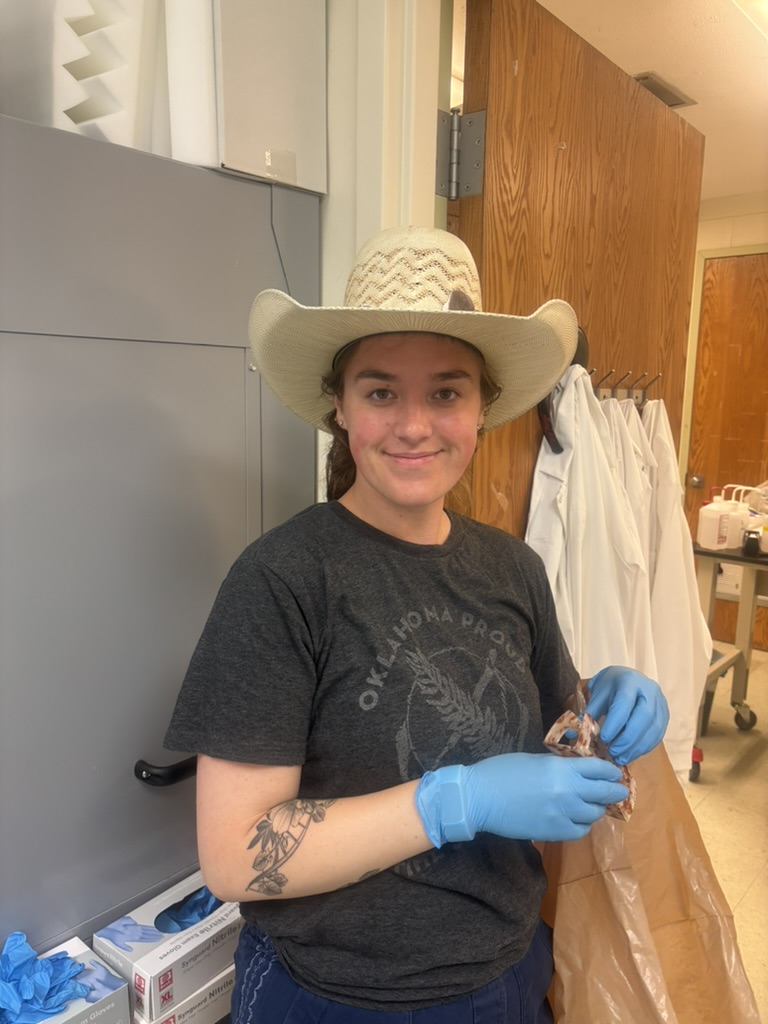
I am so excited to see what you are up to next and I know you are going to be an amazing teacher and researcher where you end up. Anyone looking to hire an phenomenal teacher and researcher would do well to take Jesse.
Sabiha Alam, PhD

Dr. Sabiha. I am so excited for you, and to see what you do next. I know you are going to accomplish great things.

2021 was a big year, made no less big by bringing on my first graduate students into the lab. Sabiha joined the lab in the summer 2021 and decided to quickly pursue work on Fragile X Syndrome (FXS). To her credit, we wanted to meld her previous expertise in Nutrition with my work on FXS, the most common genetic form of autism. This was going to be no small task. I am not an expert in nutrition, the microbiome or ionomics, yet Sabiha heartily took on the task of learning more about these areas very quickly. Indeed within mere months of joining the lab she was already writing a review article on the effect of diet in the treatment of autism which was published in 2022 – check it out here: https://www.frontiersin.org/journals/neuroscience/articles/10.3389/fnins.2022.1031016/full. It is already highly cited!

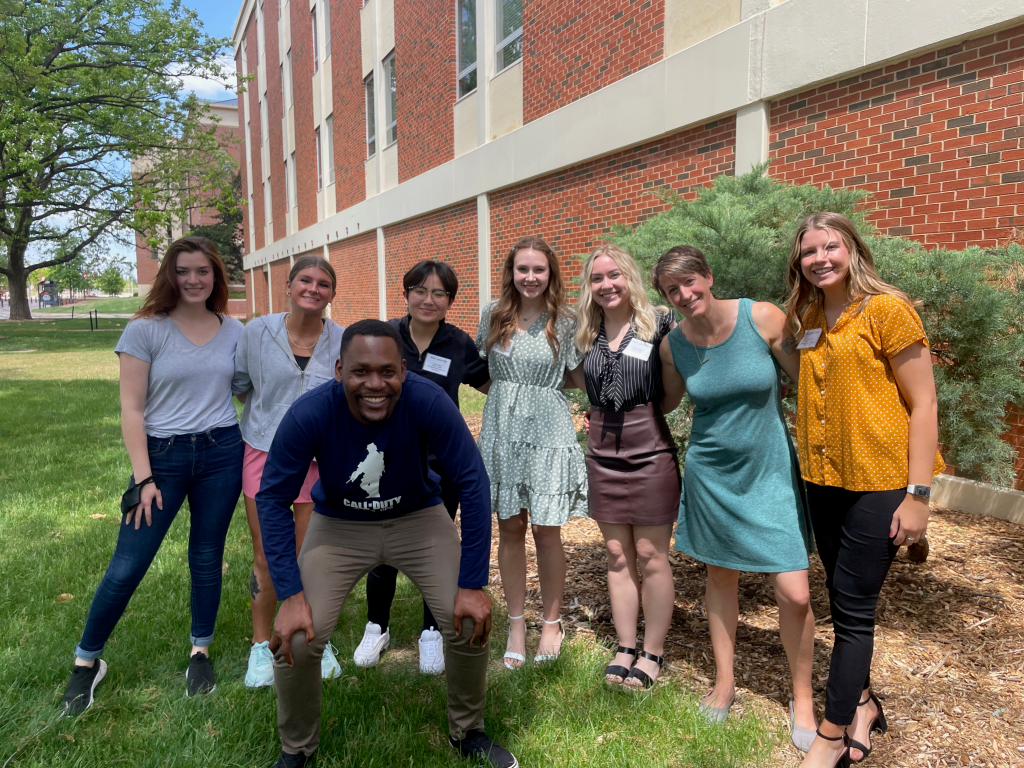
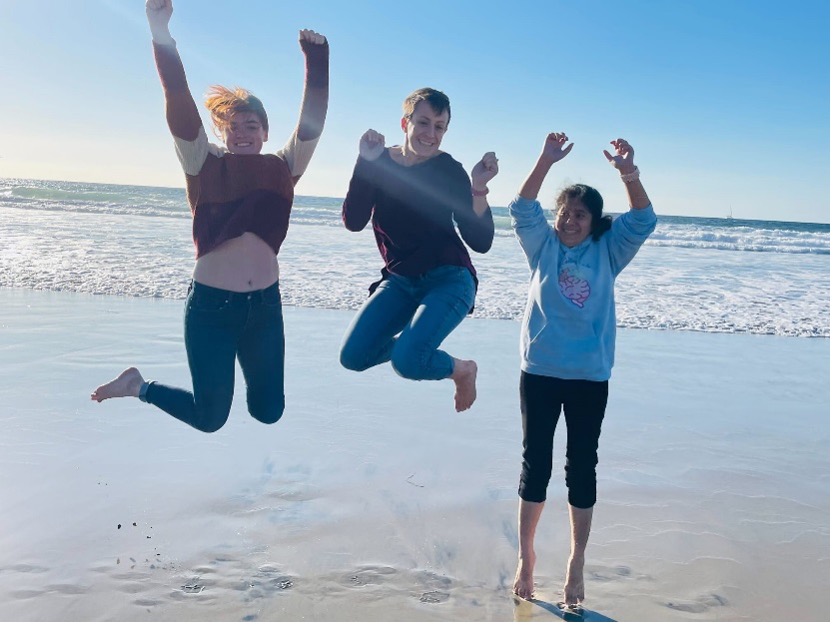
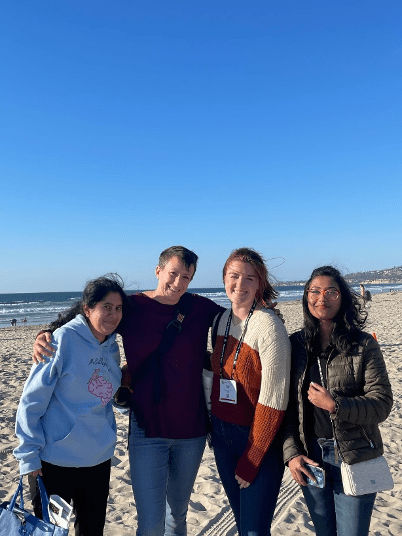
Speaking of her willingness to learn and span disciplines, Sabiha has traveled to many different conferences to present her work. Above, she joined the lab in our first trip to the Society for Neuroscience in San Diego. She has also presented at the Winter Brain conference, ABRCMS, SfN (again in DC), and many other conferences. She has two more papers that are currently under review and I’m confident will be published in the next year – check out the preprints here:

Work on elemental composition across tissues in FXS mice: https://www.biorxiv.org/content/10.64898/2026.01.27.702117v1

Work on microbiome, gut barrier markers and physiology: https://www.biorxiv.org/content/10.64898/2026.03.17.712468v1

She was also instrumental in us getting our COBRE funding from the Oklahoma Center for Microbiome Research helping to put together the proposal and gathering all of the preliminary data.

I know Sabiha is going to do really cool science whatever she does next and whoever hires her will be lucky to have her (she’s on the job market if anyone has postdocs available!).

Luberson Joseph, PhD

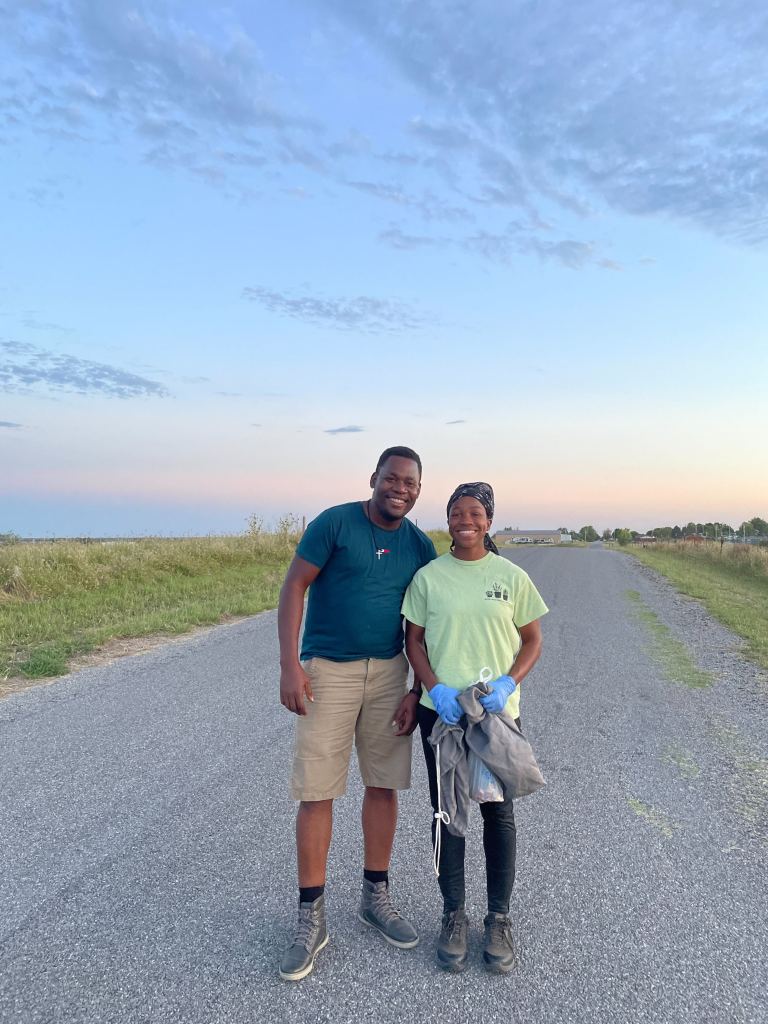
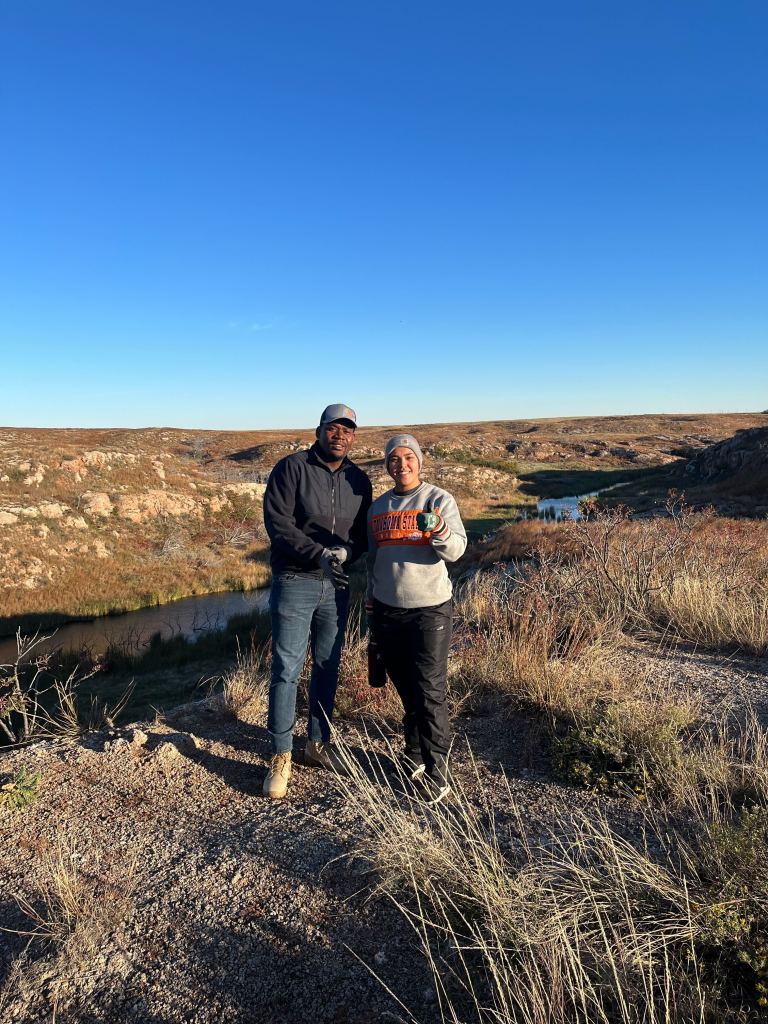
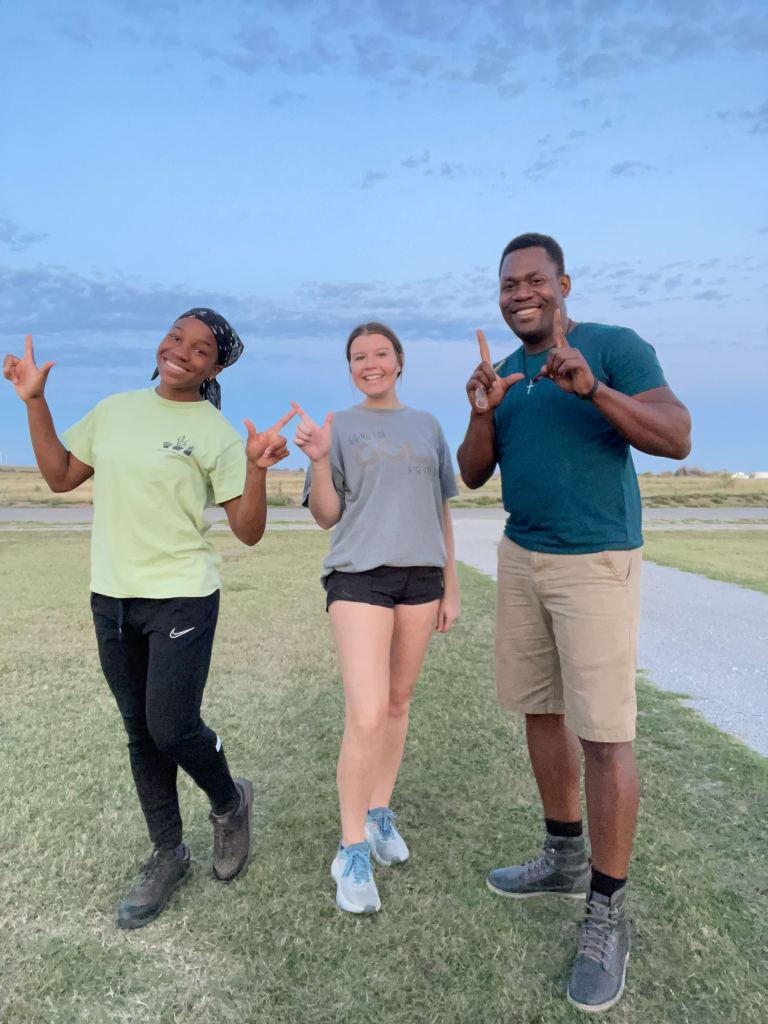
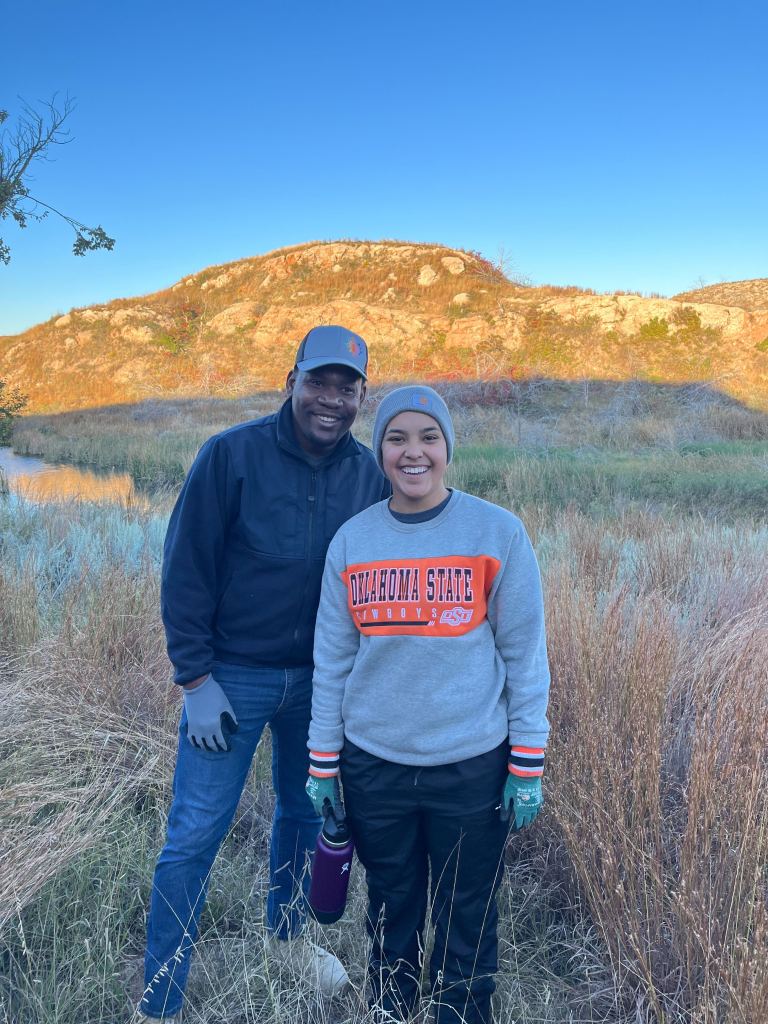
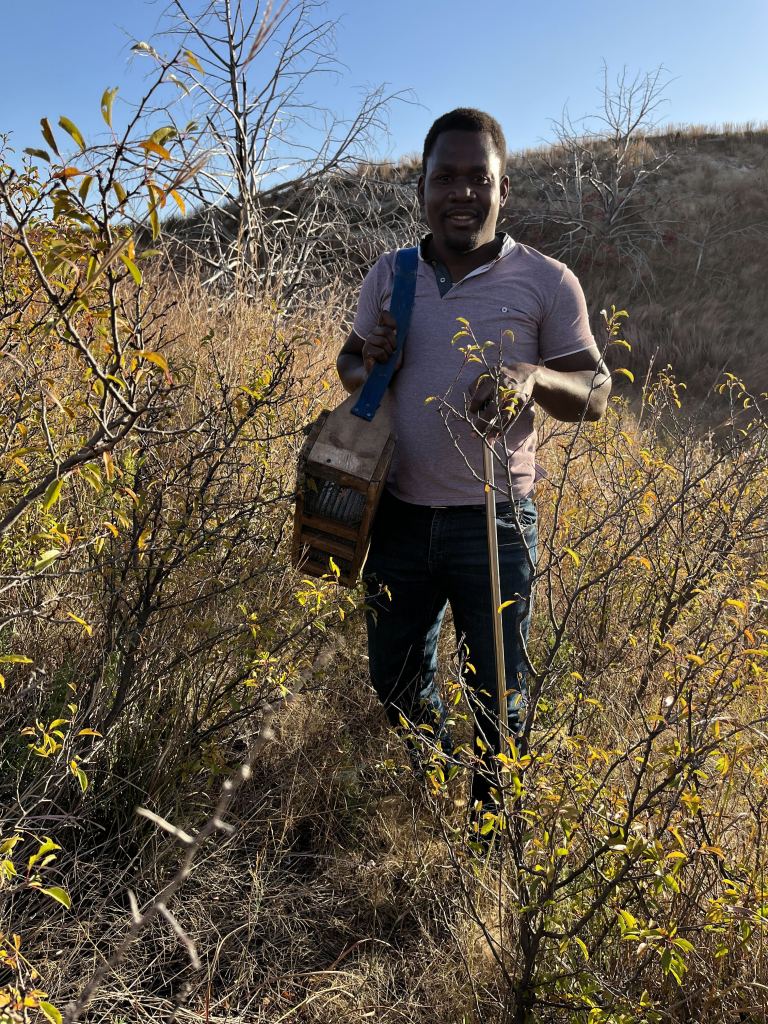
Dr. Lu. We are so proud of you. The first PhD student in the lab to graduate is a big milestone, but either way we are so happy to for you and all that you have accomplished during your time here at OSU. To brag on him a bit, Luberson came in to the lab with a MS degree and quickly found his feet working out in the field on a project looking at the diversity in hearing across wild rodent species. This lab started as a bit of a side project during the pandemic while we were waiting to get some other things off the ground. Lu quickly learned how to trap animals, perform auditory brainstem response recordings to get their hearing physiology, and he fit right in with everyone in the lab, always brining joy wherever he goes.

The first time Luberson spotted prairie dogs in the wild.

Lu has presented at many different conferences at this point, everything from the Association for Research in Mammalogy, Society for Integrative and Comparative Biology, Animal Behavior, and a personal favorite of the lab, the Association for Research in Otolaryngology. He also has a very impressive publication record with four papers (Journal of the Acoustical Society of America, Journal of Anatomy, PLoSOne, Journal of Mammalogy) already (three first author) and one under review. I know he has plans to submit at least two more from his work in the McCullagh lab. Check out his Google Scholar: https://scholar.google.com/citations?user=Amk_JnsAAAAJ&hl=en

Where is Lu off to next? He is going to go do a postdoc with Dr. Brad Winters at NEOMED where he hopes to add some in vitro physiology to his already impressive repertoire of lab skills. Best of luck Luberson, you will always be a member of this lab.